Feeling the need to snack?
Whether you’re at home, on the go, or in the office, try choosing snacks from the five food groups
You can prepare these in advance and take them with you. Here are some examples:
- Fruit or fruit slices with high protein yoghurt or nut butter. Some fruits are already packaged for snacking on the go
- Wholegrain crackers, or toast with nut butter, cottage cheese, light cheese spread or hummus
- Nuts and seeds
- A hard boiled egg
- Vegetable sticks or cherry tomatoes with light cheese spread, cottage cheese, hummus
Portion control
So how much should you eat from each food group? There are several different things to consider when plating up your meal, such as:
- the portion size you usually have
- the size of the plate you are using
- how hungry you are
- how much is in a packet or ready meal
Portion sizes can be difficult to judge, especially with some foods like pasta, rice and other grains, which come in large packs. These carbohydrates expand when cooking and so look small in a pan but can be more than you think.
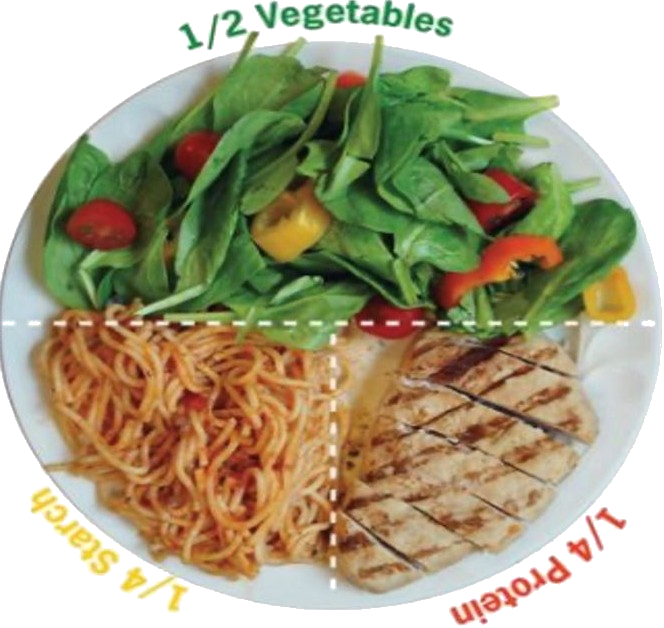
For a simple portion guide; think of drawing the letter T on your plate:
Things to consider:
- Aim to fill half the plate with vegetables. Veg has fibre, which keeps us fuller for longer
- Ensure the meal has a reasonable portion of protein from meat, fish, or beans and pulses. Protein also helps keep us full
- Add a smaller portion of potatoes, rice, pasta or other starchy food
We will provide you with a booklet called during the programme. This will give you more information about how many portions you should aim for from each food group.
Portion sizes
Here are a few easy ways of measuring portion sizes:
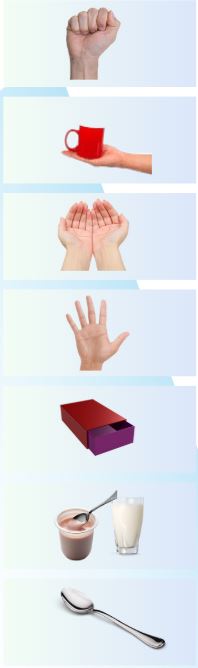
1 medium piece or handful of most fruit or vegetables. About the size of a bunched fist.
1 slice of bread, ½ cup of dry cereal, cooked pasta or rice or potato. 1/4 cup couscous or quinoa is a portion.
2 cupped hands is a portion of raw leafy vegetables.
Your palm is the same as 3oz of meat or oily fish or 4-5oz white fish. This is 1 portion.
A small matchbox is equal to a portion of cheese.
200mls of milk or a standard 120g yoghurt pot would be a portion of your dairy intake.
1 teaspoon of spreads/oils or 2 teaspoons of mayonnaise or dressing is a portion.
Are you drinking enough?
Getting enough fluid is essential. Sometimes, when we haven’t drunk enough we can be dehydrated and can mistake the feeling of thirst for the feeling of hunger.
The amount we need varies, but on average we should aim to get 1.5 to 2 litres of fluids per day. That’s about 6 to 8 glasses.
Some benefits of getting enough fluid include:
- fewer headaches
- increased energy levels
- better bowel function
- longer periods of concentration
Aim to have lower energy fluids, such as:
- water in all its forms – still, sparkling, or flavoured with fruit
- no added sugar diluting juice
- diet soft drinks
- tea or coffee
Be careful of having milkshakes and smoothies too frequently.
Remember, some drinks can contribute a lot towards your energy intake
Key points
- Try to eat regular meals throughout the day
- Aim to eat a wide variety of foods
- Think of how you might add protein and fibre to your meals
- Be mindful of your portion sizes
- Continue to think about the small changes you can make
- Try to drink enough fluid over the course of each day