Skip to content

Physical activity

There are many factors which can influence our weight, including our:

  • sleep pattern
  • genetics
  • age
  • lifestyle habits

Physical activity will increase your weight loss success and offers many other benefits – some you may not actually be able see or feel but will be internally reducing your risk of disease and extending your life.

Evidence shows that those who are more physically active are more likely to sustain their weight loss. Weight maintenance can break the cycle of yo-yo dieting and can be a real boost to your wellbeing and quality of life.

What do we mean by “physical activity”?

When you think about the word “exercise” do you imagine Lycra clad people in a gym or fit people running on a treadmill?

The truth is that you don’t need to exercise until you are gasping and feeling uncomfortably sweaty. This is why we choose to use the term “physical activity”. Physical activity allows us to include any and all additional movement into our programme. Any muscle movement will count, and will be beneficial to your health and wellbeing. The good news is that those who are least active, will gain significant health benefits from making small improvements.

Benefits of activity

We know from research that even small increases in activity can beneficial impact your health. Physical activity can reduce your chance of being diagnosed with:

  • certain types of cancers (colon and breast)
  • type 2 diabetes
  • heart conditions and stroke

Alongside additional benefits of:

  • preventing joint and back pains
  • reducing falls and depression
  • improving sleep
  • stronger bones and muscle strength

Increased fitness may improve mobility problems, joint pain and self-care. We can easily forget the additional benefits of sleep improvements and the structure activity can bring to your day. Activity has a positive impact on our mood – releasing our happy hormones. These hormones make us feel more content, less depressed or anxious, and can even reduce our pain levels!

Scottish Physical Activity Guidelines

The Scottish Physical Activity Guidelines suggest we should aim to:

  • try to be active everyday
  • minimise your sitting time – break up periods of inactivity with light physical activity
  • aim to accumulate 150 minutes (2 and a half hours) of moderate intensity exercise, (for example; brisk walking), per week, in bouts of any length
  • for those who are already regularly active, a combination of moderate and vigorous aerobic activity (for example; running), brings greater benefit
  • add in strength exercises at least 2 times per week
  • older adults should try activities aimed at improving or maintaining muscle strength, balance and flexibility on at least 2 days a week for example, bowling, tai chi, cycling, or simply standing on one leg and challenging your balance (in a safe space)

Let us discuss these above guidelines in more detail.

How to start becoming more active?

This depends on your current level of activity, health concerns and experience.

Start with small changes if you consider yourself to be inactive. For example, if you are spending a lot of your day lying or sitting, or if you are only able to manage very short, or irregular bouts of activity:

  • aim to limit any daytime sleeping periods
  • break up your sitting times – set an alarm to get up and move room to room
  • try at least one household task per day. Pace yourself. You can rest as often as you need
  • use, or if needed, upgrade your walking aids – they may allow you to mobilise further with less pain

If you have pain:

  • Try a referral to the Musculoskeletal Physiotherapy team in Ayrshire and Arran. Be as proactive as possible when managing your pain

Musculoskeletal service – NHS Ayrshire & Arran

Every day may be a challenge. It can help our motivation by thinking that extra small movements will have a positive impact on your long term health.

Any activity is better than none, and more is better still.

There are seated activities or balance activities that you could try at home if you do not feel confident enough (…yet!), to exercise in a community venue or gym. See links below:

Cardiac rehabilitation at home – BHF

Fitness Studio exercise videos – NHS

How hard should I push myself when exercising?

This depends again on your current fitness levels and medical history, but here are some tips;

  • Always try and incorporate a warm up and a cool down into every activity. This means, start and finish at a lighter pace, or with stretches, or a gentle practice of the exercises ahead.
  • Always make sure that you can talk when being active without holding your breath. If you use an inhaler or an angina spray then keep it nearby.

Do I have to be active for a set length of time?

No – there are no set time scales. You can complete activity in bouts of any timescale e.g. 3 x 10 minute bouts, or, 20 mins plus 10 mins etc. Aim to be as active, as you are able, throughout the day.

What should “moderate” intensity feel like?

This can be different for everyone. Here are some general rules:

  • Your heart will be beating faster
  • Your breathing will feel deeper, you would struggle to sing
  • You will be feeling warmer and perhaps starting to sweat
  • Your breathing should not feel out of control and activity should not bring on chest pain or extreme pain

What does a vigorous intensity feel like?

Vigorous activity is when you would struggle to talk and may be gasping. You may be really sweaty and feel like your muscles were working really hard. It is not necessary to work this hard to obtain health benefits.

It is better not to leave all your daily exercise to only one session per day – it is more helpful to think about ways to incorporate “little and often” bouts.

How to start? Ready to take the first step?

Activity is personal and individual. No “one size fits all” – we all enjoy different activities. It is important to pick something you enjoy so that you are more likely to continue.

If you feel ready to take the first step then think about a plan or a small goal. Think about how to achieve it using the Habits method in Chapter 7.

Step 1:

Set a timer for 2 minutes, and write down as many things you could do to be active as you can that would help you reach your goal.

Pick one to try first and try it for at least 2 weeks. If that one doesn’t work, return to your list, pick another one to try and repeat step 2 and 3 again.

Step 2: Think about how might you prompt or remind yourself to do this behaviour?

Step 3: Think about how you might you make the behaviour easier to do?

Things to watch out for when starting a new exercise regime

Take care to not reward yourself with food. You may feel like you have earned a bigger portion, or a slice of cake, but you might undo all your efforts. Try and consider ways in which you can reward yourself without eating e.g. buy a magazine, buy new work out gear and so on.

Track your activity. Write down how long you spend doing an activity in a notebook, or you can use a step counter or app on your phone to help.

Top tips for success!

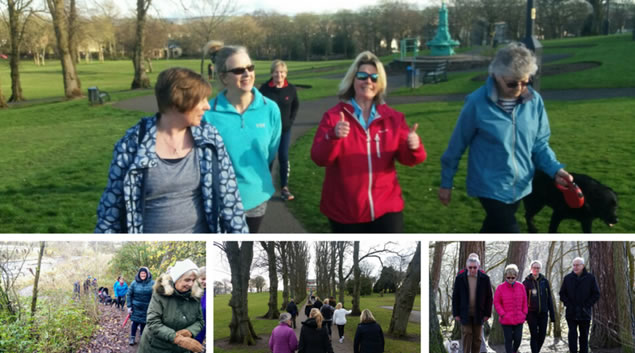
Increasing your activity level is a great way to become more social. A “buddy system” – becoming active with a friend or a small group, can be very powerful for motivating yourself to be active, and can make it harder to pass on an activity session when you don’t feel like it.

Having a routine, or weekly class, can be encouraging and supportive. Being consistent is important. You could plan a weeks’ worth of activity and tell your friends and family. They can help to keep you on track!

Aim to incorporate more activity into your daily life. Make it sustainable, prioritise it, and you will see and feel positive results.