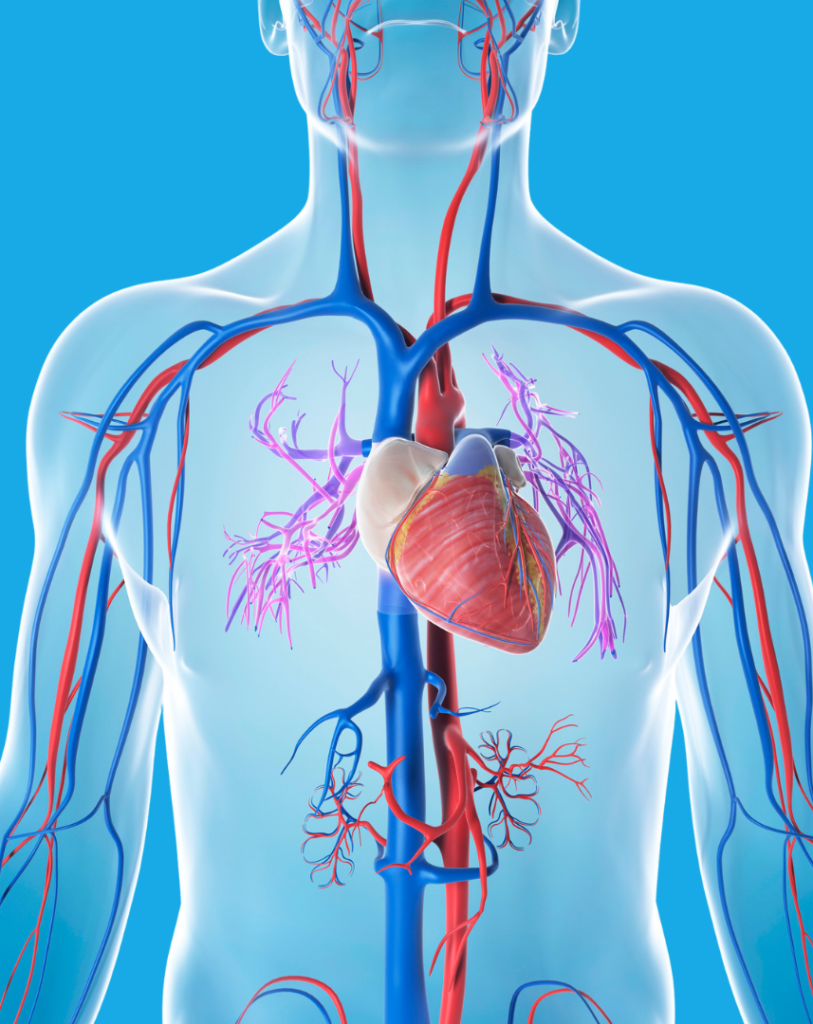
Cardiovascular disease remains the leading cause of mortality in Scotland.
Many people live with chronic health conditions that are linked to poor heart health including:
- ischaemic heart disease
- heart failure
- stroke
Keeping your heart healthy
Protecting your heart has benefits for your own health, but also for the whole NHS.
The annual cost of managing cardiovascular disease in Scotland is estimated at £950 million. As the number of older people in the population grows, this is likely to increase.
Reducing your risk means there are more resources available for other important treatments and services.
Age, sex, ethnicity and family history can all influence your risk.
The good news is there are lots of things you can do to keep your heart healthy and reduce your risk of developing long term conditions, including heart disease and stroke.
Manage risk factors
You don’t need to make all these changes at once. Small steps all add up to reduce your overall risk.
How to manage your risk factors
- Reduce your intake of foods high in salt, fat and sugar
- Increase physical activity
- Cut down on alcohol
- Stop smoking
- Take steps to reduce stress
Our Better Health page has information on how we can support you to help make these changes.
Please see local health check information below:
South Ayrshire
Functional MOT testing, including blood pressure checks, is available through the Connect South Ayrshire hub, delivered by the Staying Ahead of the Curve team.
When: Tuesdays, 1pm – 4pm
More details: https://connectsouthayrshire.org/drop-in-schedule-ayr.php
East Ayrshire
A full list of dates and venues where health checks are available through East Ayrshire’s Community Health Activity Team can be found here: https://eastayrshireleisure.com/vibrant-communities/community-health-activity/
North Ayrshire
For details of health checks in North Ayrshire visit get the KA Leisure app here: Get our app!
Know your numbers
We take measurements to identify your risk of heart disease and stroke.
These include:
- blood pressure
- cholesterol
- blood glucose (sugar)
- Body Mass Index (BMI)
These measurements can be high even if you feel well, so it’s important to have regular checks.
If you are aged between 35 and 60, you may be invited to have a cardiovascular health check at your GP surgery.
There are other healthcare settings where you can access cardiovascular checks at a time and location that are convenient to you. These include community health hubs and pharmacies.
Be aware of symptoms
Chest pain may be a sign that you are experiencing a heart attack.
Other important symptoms can include:
- Pain in the arm, neck or jaw
- Shortness of breath
- Feeling sick or dizzy
- Feeling sweaty or clammy
There is some evidence that heart disease can present differently in women. Although chest pain is the most common symptom in men and women, women may be more likely to report other symptoms. See the Women’s heart health section on NHS Inform.
Be aware of the symptoms of stroke and act FAST. If you are experiencing new or unusual symptoms, it is important to ask if they could be heart-related and seek advice. The sooner you act, the better.